First, understand the tacho
Traditional Portuguese cooking is pot cooking. The tacho — the heavy stewing pot — is where the country's greatest dishes happen: slow, patient food built on beans, bread, salt cod, good pork and time. Nothing about it is fast, which is exactly why the real thing has become harder to find in a downtown increasingly padded with tourist menus that promise everything and simmer nothing.
The good news: the real thing is still here. You just need to know what to order — and, as you'll see, when.
The classics worth crossing town for
Tripas à Moda do Porto
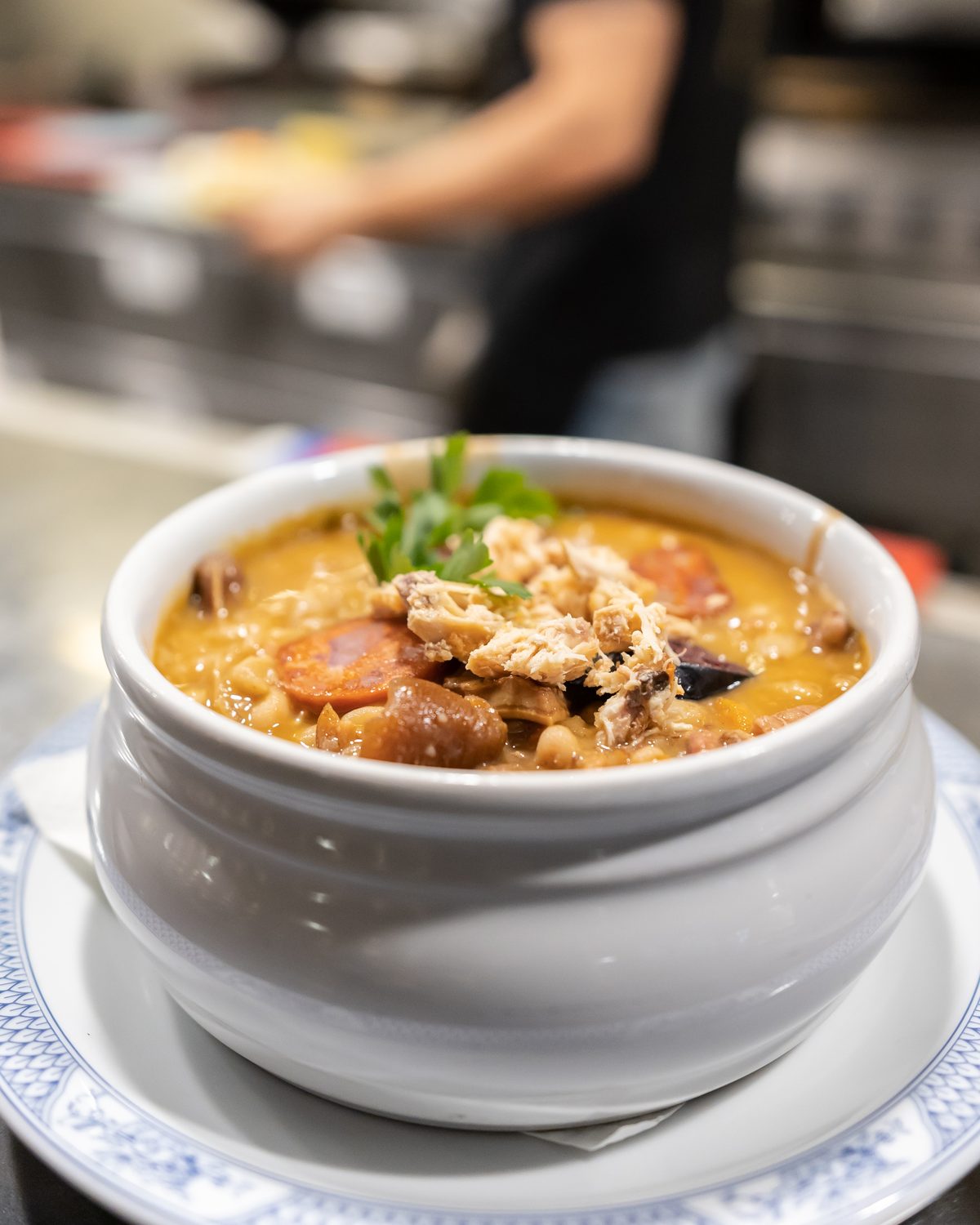
Start with the dish that named the people. Porto's inhabitants are called tripeiros — tripe eaters — a badge earned, so the story goes, when the city gave away its best meat to provision the ships of the Age of Discovery and kept the offal for itself. The result is a rich, slow stew of white beans, tripe and smoked sausages that tastes like generosity turned into dinner. If you eat one traditional dish in Porto, make it this one.
Arroz de Pato
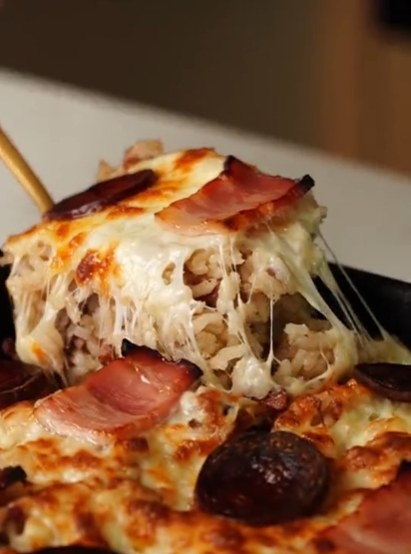
Duck rice: shredded duck folded through rice with smoky chouriço, finished in the oven until the top turns golden. When it's done properly — whole duck, hand-shredded, proper Trás-os-Montes chouriço — it's one of the great Portuguese comfort dishes. When it's done lazily, with pre-shredded factory meat, it's a side dish with ambitions. The difference is enormous; order it where they make it from scratch.
Bacalhau, in all its forms
Portugal's love affair with salt cod needs no introduction, and Porto keeps several of its best expressions alive. Look for pataniscas — golden salt cod fritters, crisp outside and tender within, classically served with arroz de feijão, a loose and soulful bean rice. It's grandmother food in the best possible sense.
The pork canon
Rojões — cubes of marinated pork fried until burnished and juicy, the north's signature — and carne de porco à alentejana, the improbable but perfect marriage of pork and clams. Both are litmus tests: a kitchen that does these well can be trusted with anything.
Rosbife à Inglesa
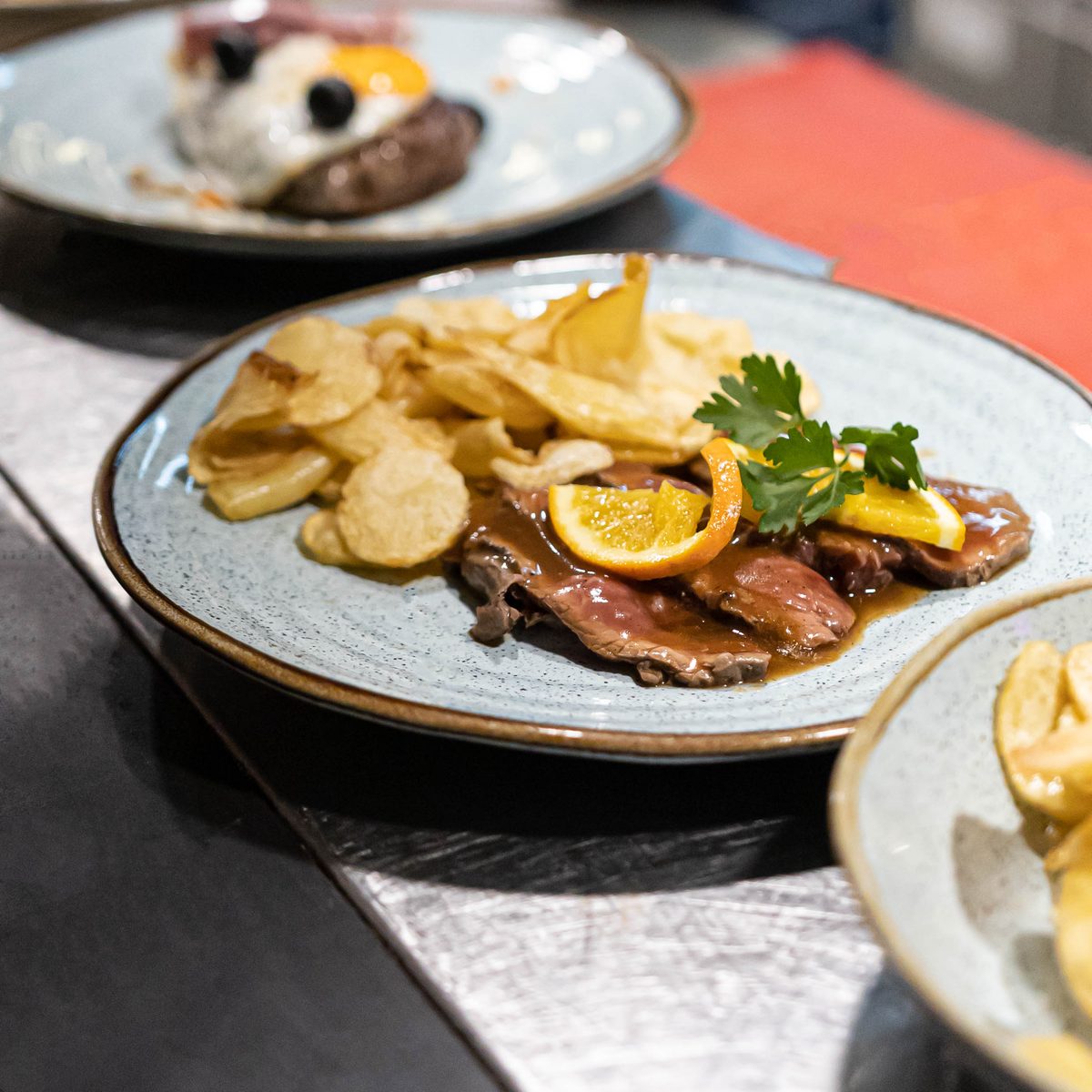
A cervejaria classic with a borrowed name: thin slices of rare roast beef under a glossy house gravy, with esparregado (creamed greens) and batata frita às rodelas — round-cut chips that shatter like crisps. It's the dish Porto's beer halls perfected in the last century and never saw a reason to change.
Açorda de Camarão
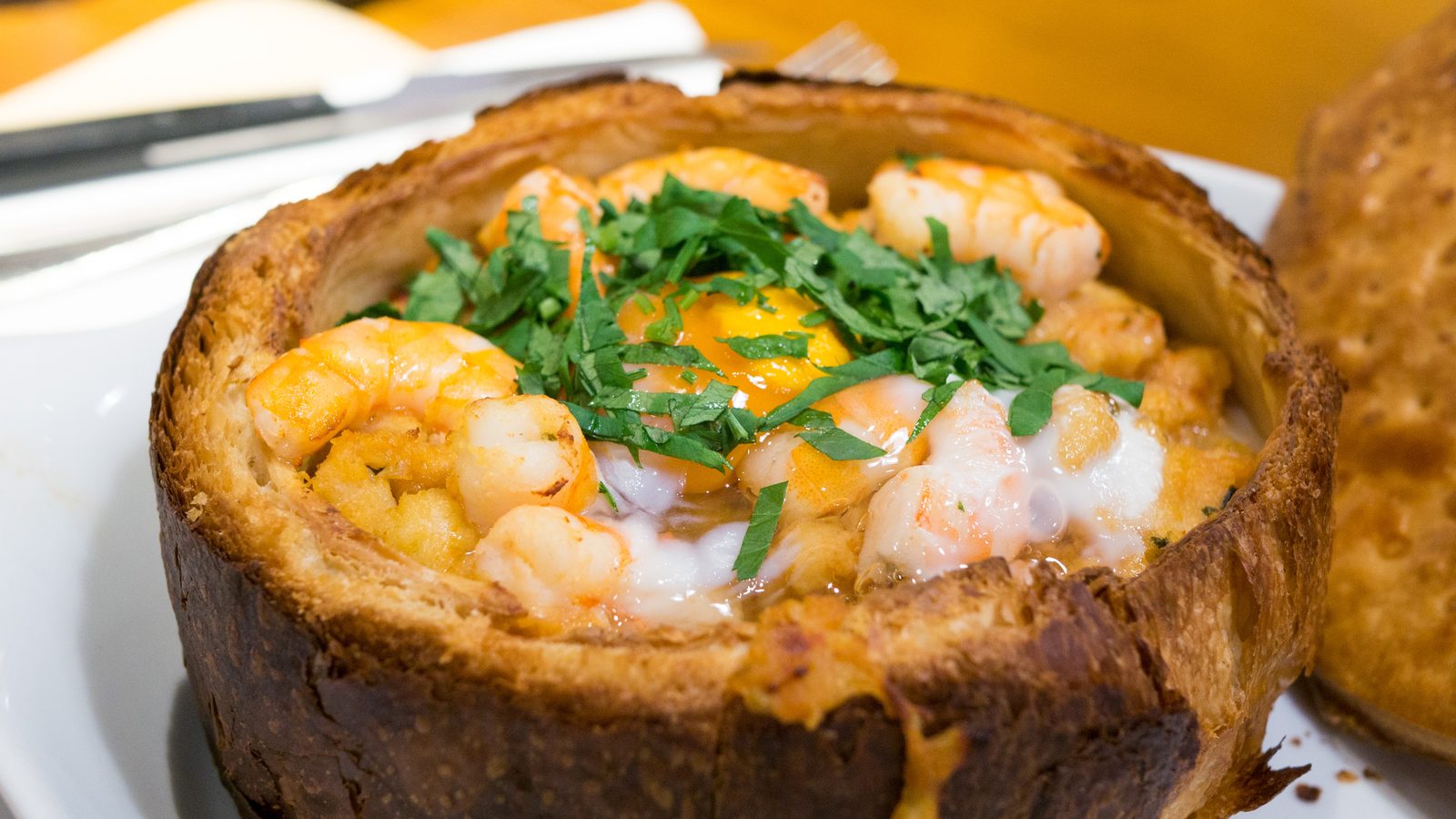
Bread stew sounds unpromising in English; açorda in Portuguese is another matter — day-old bread transformed with shrimp, egg, coriander and shellfish stock into something between a soup and an embrace. Keep an eye out for kitchens that dress it up without dumbing it down; one downtown house serves it inside a golden puff pastry timbale, which you crack and eat as you go.
The lost art of the daily dish
Here's the thing visitors rarely learn: Porto's traditional restaurants never used to serve everything every day. The city ran on pratos do dia — daily dishes. Tuesday meant one thing, Thursday another, and locals planned their week around the calendar of their favourite houses. It wasn't marketing; it was quality control. A proper arroz de pato takes hours, and tripas can't be rushed. Cooking them once a week, in quantity, on their day, is how they're done right.
Most downtown kitchens abandoned the practice years ago. One that hasn't: Capa na Baixa, the Capa Negra family's house on Praça de Dom João I, where the weekly calendar still rules the kitchen:
A working example: the week at Capa na Baixa
Tuesday — Pataniscas de bacalhau with arroz de feijão
Wednesday — Arroz de pato: whole duck bought in, hand-shredded, with Vinhais chouriço and a toasted cheese crust. The week's star; it sells out.
Thursday — Tripas à moda do Porto
Friday & Saturday — Rosbife à inglesa with round-cut chips and esparregado
Every day — Açorda de camarão in a puff pastry timbale, plus the house classics: francesinha, charcoal-grilled meats, and the famous Capa Negra rissóis.
Showing up on the right day is half the fun. Wednesday duck rice at a downtown table, two minutes from Aliados, is about as close as a visitor gets to eating like a portuense with fifty years of habit.
Where else to eat the classics
Traditional Porto rewards a little wandering. In Ribeira, the old riverside taverns still turn out honest tachos for those who skip the laminated-menu terraces and head one street back. Around Bonfim, east of the centre, unfussy dining rooms carry the torch of home-style cooking — generous portions, handwritten specials, house wine in jugs. And in the Baixa itself, look past the tourist strips to the houses that were feeding the city long before it was fashionable; if the clientele includes men in suits eating alone with a newspaper, you're in the right place.
A rule of thumb that rarely fails: the shorter the menu and the more Portuguese spoken at the tables around you, the better the tacho.
The Classics Cheat Sheet
Must-try: Tripas à moda do Porto (the identity dish) · Arroz de pato (order where it's made from whole duck) · Pataniscas with arroz de feijão.
Timing trick: Ask if the house has pratos do dia — and come on the right day. At Capa na Baixa, duck rice is Wednesday, tripas Thursday.
Order like a local: Rissóis to start, a tacho for the table, house wine or an imperial. Dessert negotiable; coffee mandatory.